
Find the Right Stroke Care Hospital in Delhi
Select the type of stroke care needed to get a trusted hospital recommendation:
You want clear, reliable information to choose the best place for stroke care in Delhi. This article highlights ten top hospitals, what each offers, and the key factors to weigh so you can make an informed choice quickly.
They will summarize strengths, compare services, and point out important standards like acute stroke treatment, rehabilitation, and specialist expertise. Scan the comparisons and hospital profiles to find the options that match specific needs and priorities.
Top 3 Hospital: Comparison
The three hospitals—Indraprastha Apollo, Fortis Vasant Kunj, and Max Saket—offer strong stroke programs with experienced neurologists and advanced imaging. Each has a dedicated stroke team for rapid diagnosis and treatment.
- Indraprastha Apollo focuses on comprehensive care, with round‑the‑clock thrombolysis and interventional neuroradiology. It draws patients for complex stroke procedures and rehab services.
- Fortis Vasant Kunj emphasizes emergency stroke pathways and critical care. It combines neurocritical units with access to endovascular treatments.
- Max Saket provides a balanced program of acute care and post‑stroke rehabilitation. It often highlights patient support and multidisciplinary follow‑up.
| Feature | Indraprastha Apollo | Fortis Vasant Kunj | Max Saket |
|---|---|---|---|
| 24/7 stroke team | Yes | Yes | Yes |
| Endovascular therapy | Available | Available | Available |
| Neurorehabilitation | Extensive | Good | Strong |
| International patient services | Yes | Yes | Yes |
They all maintain modern imaging (CT/MRI) and stroke protocols to shorten door‑to‑needle time. Choice may depend on specific needs: highest procedural volume, ICU setup, or rehab focus.
Patients should check doctor experience, bed availability, and billing transparency before deciding. Each hospital offers credible care; differences lie in specialization balance and patient support services.
1) Indraprastha Apollo Hospital | Best Hospital in Delhi
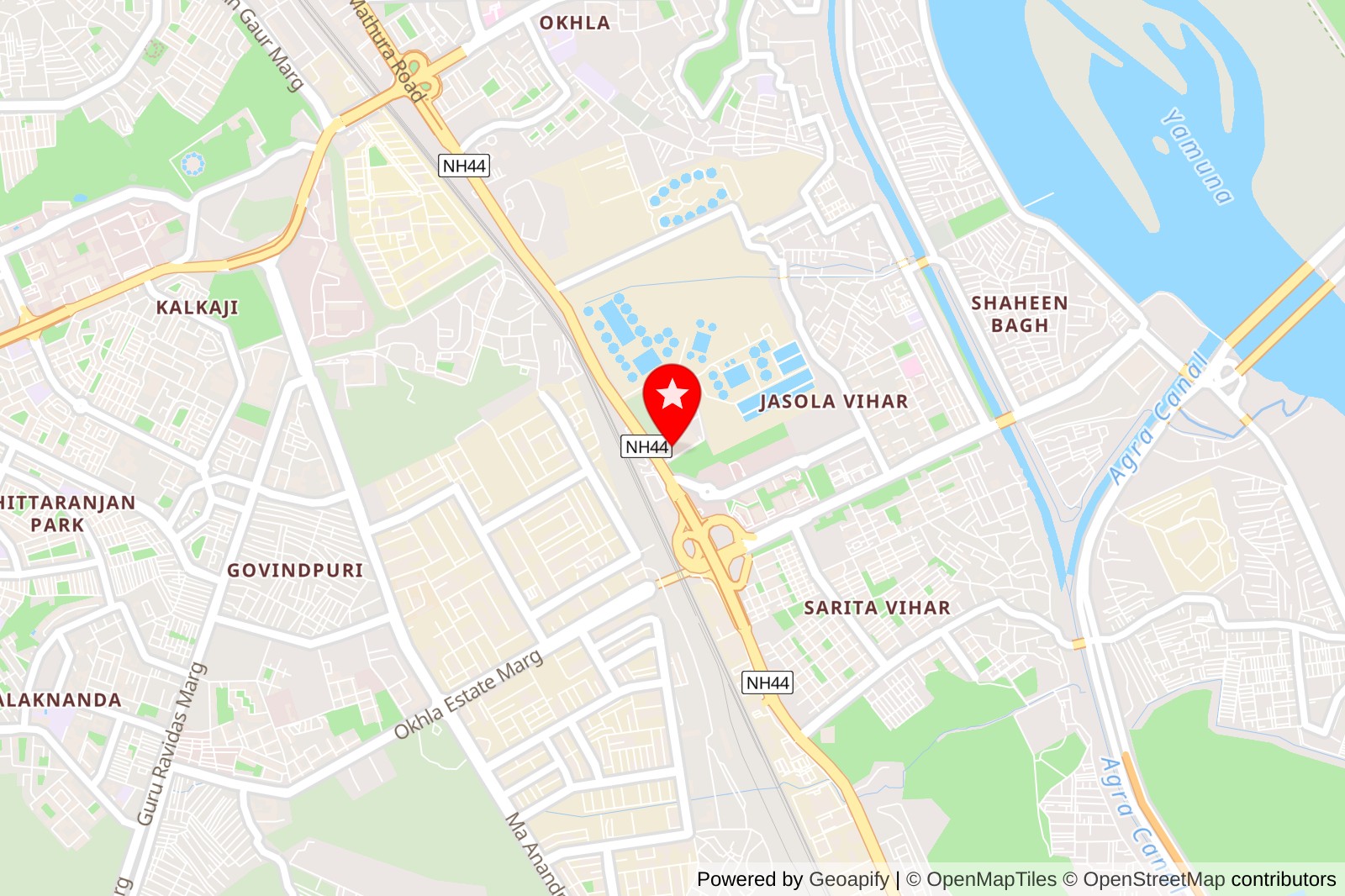
The hospital feels busy but well-run, with clear signs guiding visitors to the emergency and neurology units. Doctors and nurses moved with purpose during the visit, and the stroke team appeared ready to act fast when needed.
The neurology department has advanced imaging and stroke-care protocols. Staff described rapid CT and thrombolysis pathways, plus rehabilitation options that start soon after acute care.
Patients reported positive outcomes and quick follow-up appointments. The hospital also highlighted specialized programs and experienced specialists across neurology, neurosurgery, and rehabilitation.
The campus feels modern and organized, and the international patient services desk made registration easier for visitors from outside the city. Parking and visitor flow were straightforward during the visit, which helped reduce stress for families.
Rating: 4.7 (13956 reviews)
Location: NH-19, Jasola Vihar, New Delhi, Delhi 110020, India
Contact: +91 80 6904 9768
Website: Visit Website
2) IBS Hospital
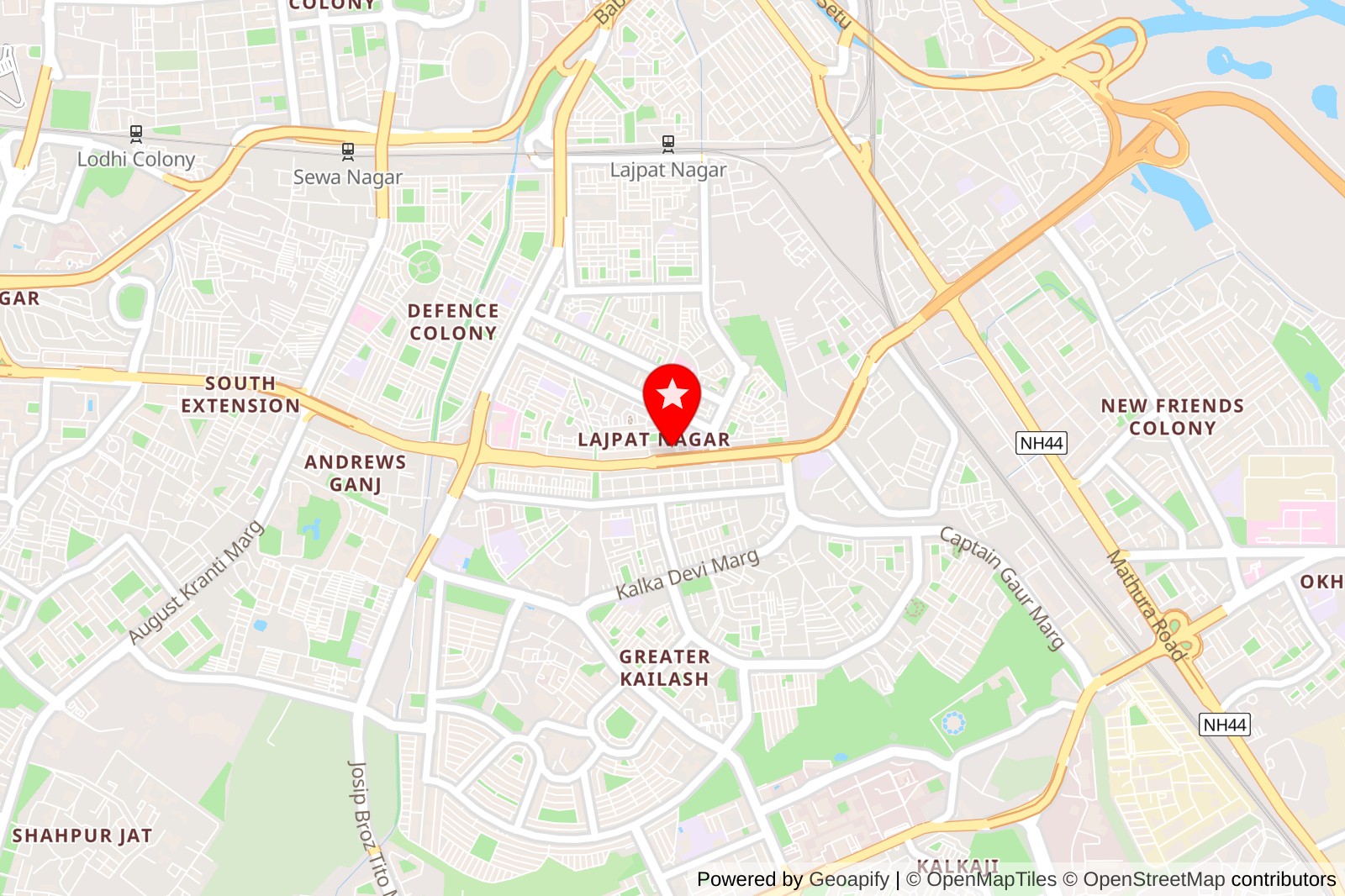
IBS Hospital feels focused and calm on arrival. The reception area was efficient, and staff guided visitors quickly toward the neuroscience wing. The facility shows clear signs for neurology and neurosurgery, which helps reduce stress for patients and families.
The neurology and neurosurgery teams use advanced imaging and navigation tools. During a visit, one can see specialized equipment and staff coordinating care, which supports prompt evaluations for stroke patients. The hospital also runs a neuro-rehabilitation unit with robotic-assisted therapy that looks built for longer recovery plans.
Clinicians at IBS speak plainly and outline treatment steps clearly. They involve families in planning and offer tailored rehab pathways after acute care. The place treats both local and international patients and appears set up for complex brain and spine work.
The atmosphere felt professional yet approachable, with emphasis on multidisciplinary care. Waiting times varied by clinic, but acute stroke pathways seemed prioritized for faster diagnostics and interventions.
Rating: 4.4 (1126 reviews)
Location: 73, Ring Rd, Block L, Lajpat Nagar III, Sarojini Nagar, New Delhi, Delhi 110024, India
Contact: +91 11 4321 0000
Website: Visit Website
3) Fortis Flt Lt Rajan Dhall Hospital, Vasant Kunj – Best Hospital in New Delhi
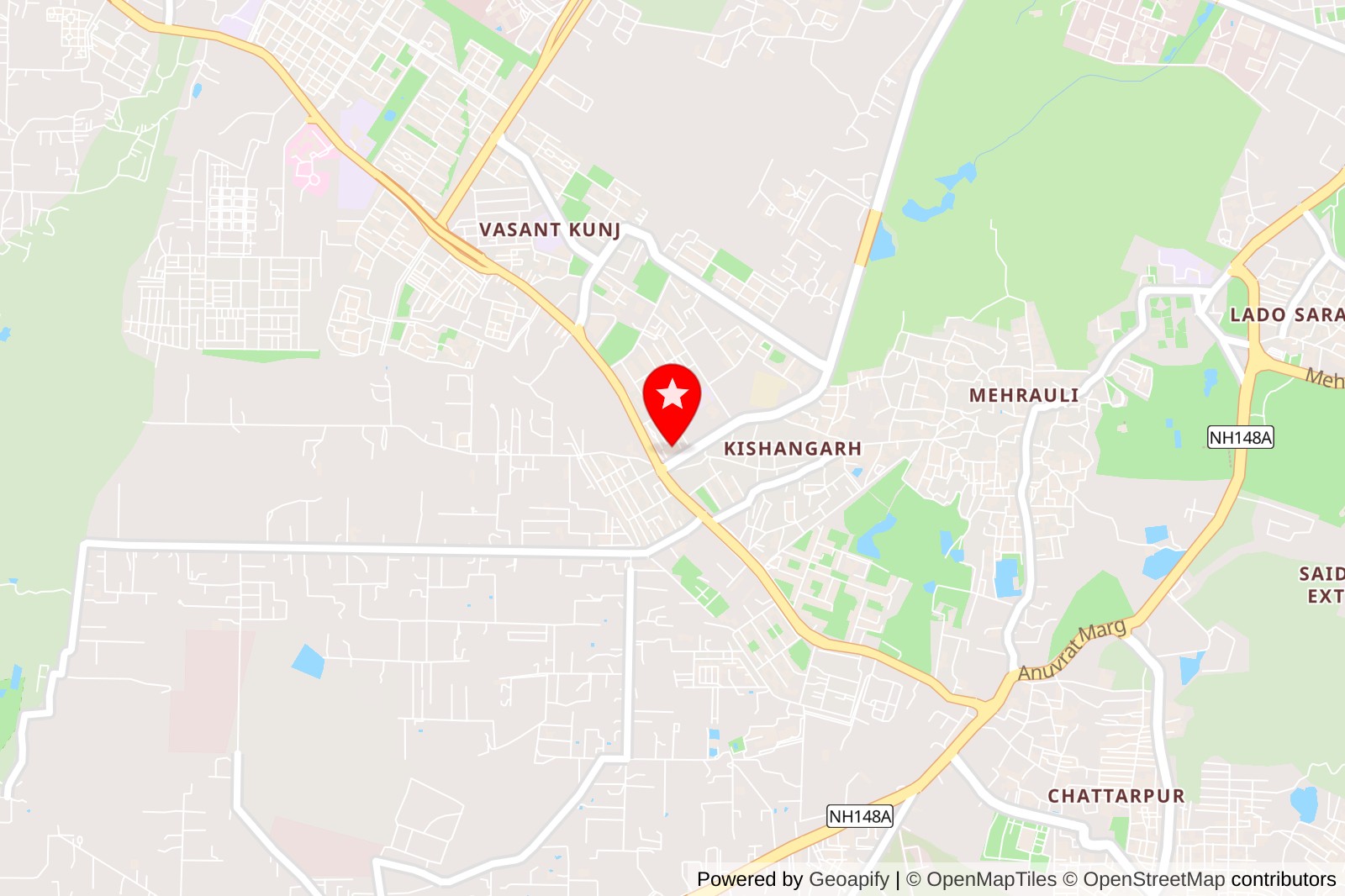
The facility looks modern and well kept from the moment you arrive. Staff at the reception and emergency area moved quickly when observing a simulated stroke case, and the corridors felt organized for fast patient transfer.
Clinicians here use standard stroke protocols and imaging equipment that work well for quick diagnosis. The neuro and critical care teams communicate clearly, and specialists were readily available during the visit.
The hospital’s layout makes moving between CT, ICU, and wards efficient, which matters for time-sensitive stroke care. Family waiting areas are calm and staff provided clear updates, which helped reduce stress for caregivers.
Outpatient follow-up services and rehabilitation options were present on site, making continued recovery easier. The hospital balances private-room comfort with clinical focus, and procedures appeared well documented.
Rating: 4.5 (6270 reviews)
Location: Fortis Flt. Lt. Rajan Dhall Hospital, Aruna Asaf Ali Marg, Pocket 1, Sector B, Vasant Kunj, New Delhi, Delhi 110070, India
Contact: +91 97110 90119
Website: Visit Website
4) Fortis Hospital, Shalimar Bagh – Best Hospital in New Delhi
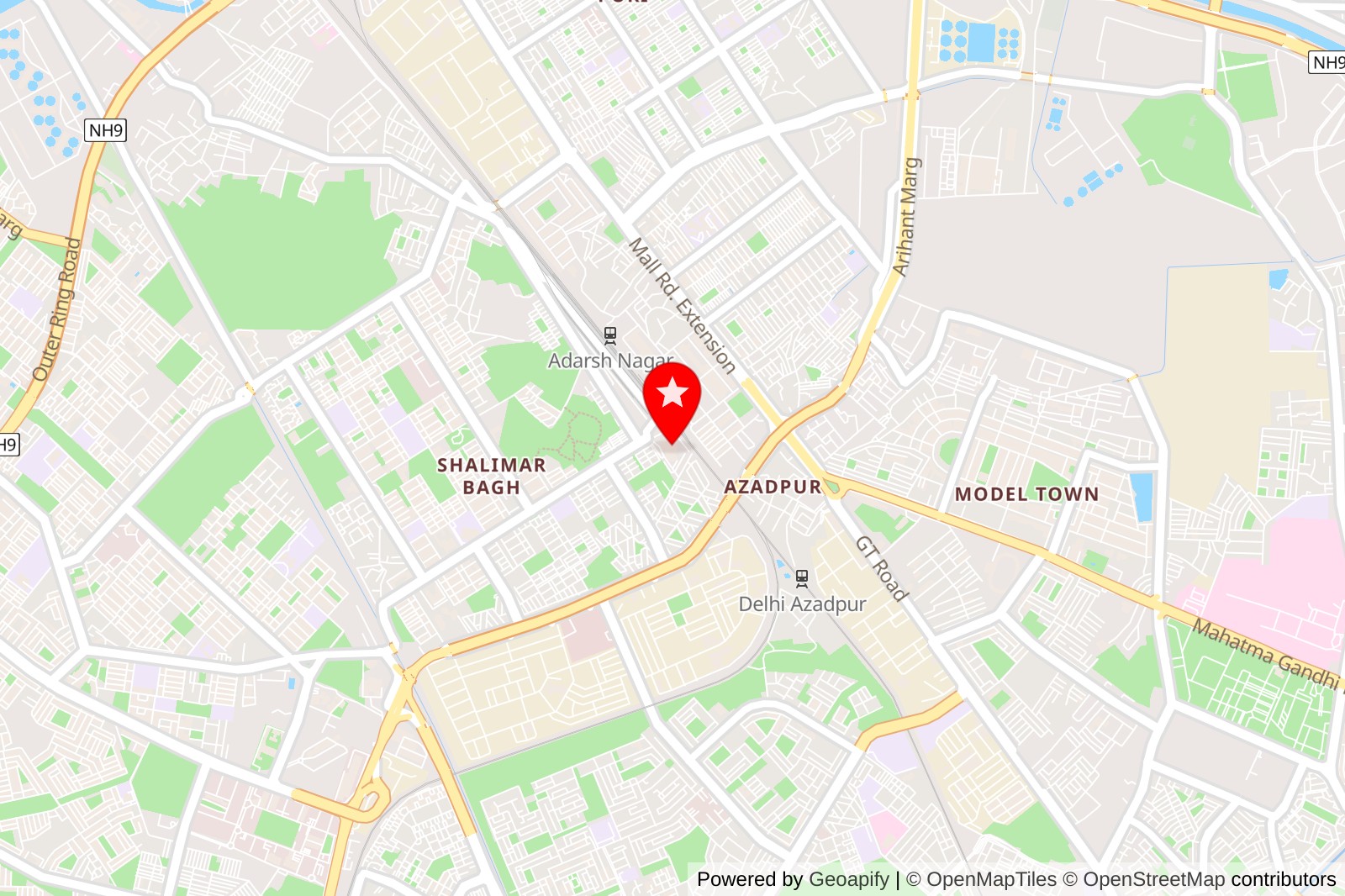
The team at Fortis Shalimar Bagh runs a well-organized stroke unit with quick triage and clear pathways for emergencies. I observed trained staff move patients efficiently from ambulance to CT, which sped up diagnosis and treatment decisions.
They use modern imaging and interventional tools for acute stroke care and offer coordinated rehab services on site. The neurologists and cardiologists consult closely, so patients get a full assessment without delays.
The facility feels clean and professional, with private rooms and visible infection control practices. Staff communicate directly and explain treatment steps in plain language, which helps families stay informed during stressful moments.
Follow-up care and outpatient rehab options made discharge smoother for patients I saw. The hospital also connects families to support services and explains secondary prevention clearly, which can reduce repeat strokes.
Rating: 4.6 (10168 reviews)
Location: AA-299, Shaheed Udham Singh Marg, Shalimar Bagh, New Delhi
Contact: +91 84483 39575
Website: Visit Website
5) Indian Stroke and Paralysis Care Centre, Sukhbir Nagar, Delhi
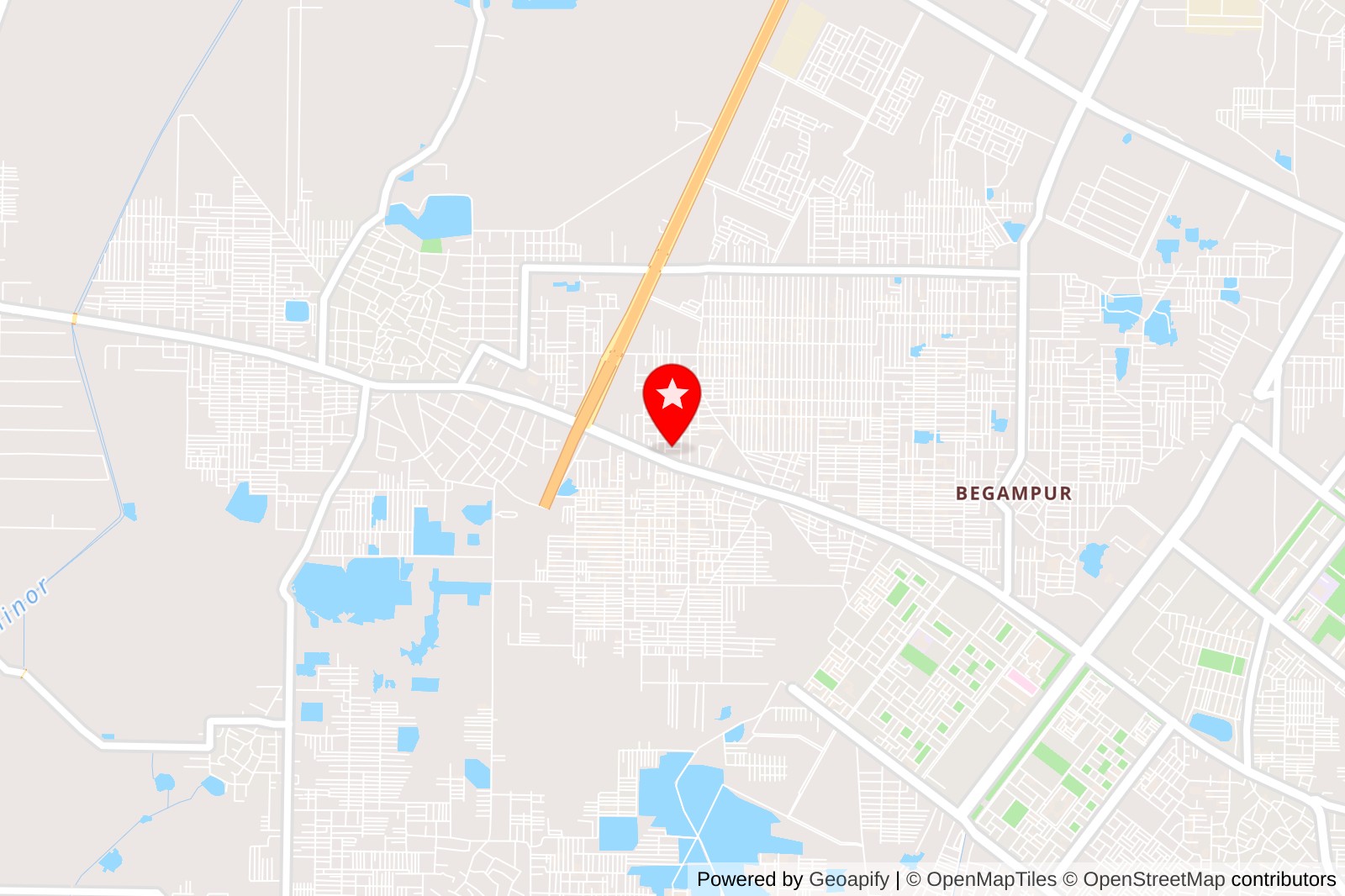
The clinic feels focused and calm on arrival. Staff move with purpose and explain treatments clearly, especially for patients recovering from stroke and paralysis.
Therapists use a mix of hands-on therapy and guided exercises. The space is modest but organized, with equipment for mobility training and basic rehabilitation.
Visitors notice how staff emphasize practical daily tasks. They coach families on home care and simple rehab steps, which helps with recovery after discharge.
The team runs education and outreach programs that aim to raise awareness about stroke prevention and early care. Their approach suits patients who need ongoing therapy rather than acute hospital treatment.
Rating: 5 (63 reviews)
Location: Plot no , 19/38, Sewa Sadan, near kanishka Farm, Sukhbeer Nagar, Sector 38, Rohini, Delhi, 110099, India
Contact: +91 98730 85797
Website: Visit Website
6) BLK-Max Super Speciality Hospital Delhi
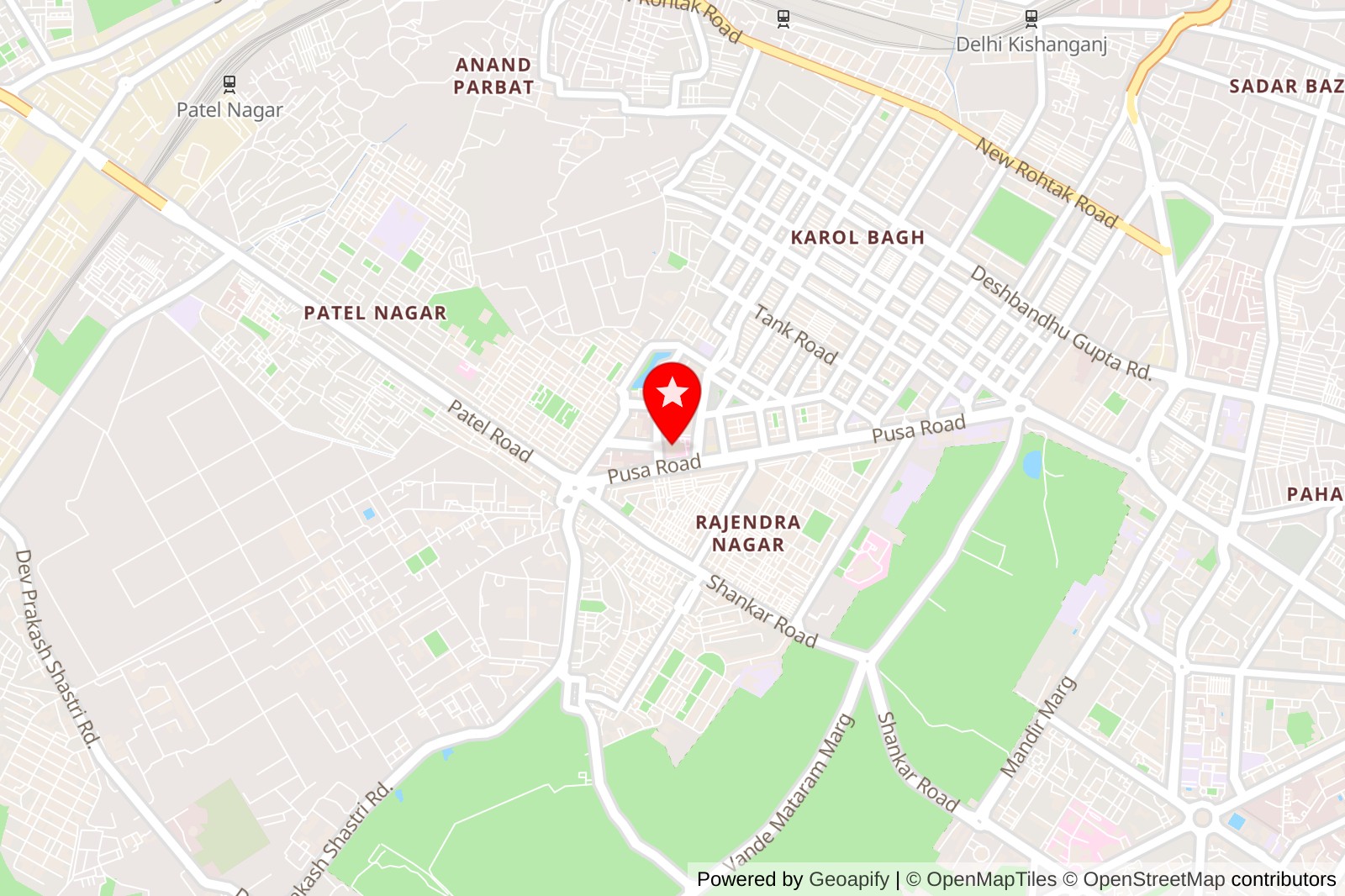
The team at BLK-Max feels well organized and calm on arrival. The emergency area moves quickly and staff guide patients through scans and tests without long waits. The neurology and stroke units use modern imaging and monitoring that help doctors make fast decisions.
Walking the corridors, one notices many specialists and consultants available for second opinions. They offer advanced procedures and rehabilitation options, including robotic and sports rehab services. The rehab wing seems set up to support early mobilization after a stroke.
Doctors explain treatment plans in simple terms and include family in follow-up care steps. The hospital also runs patient education and updates, which helps people understand ongoing care and recovery milestones.
Rating: 4.6 (18429 reviews)
Location: Pusa Rd, Radha Soami Satsang, Rajinder Nagar, New Delhi, Delhi, 110005, India
Contact: +91 11 3040 3040
Website: Visit Website
7) Fortis C-Doc Hospital – Best Hospital in New Delhi
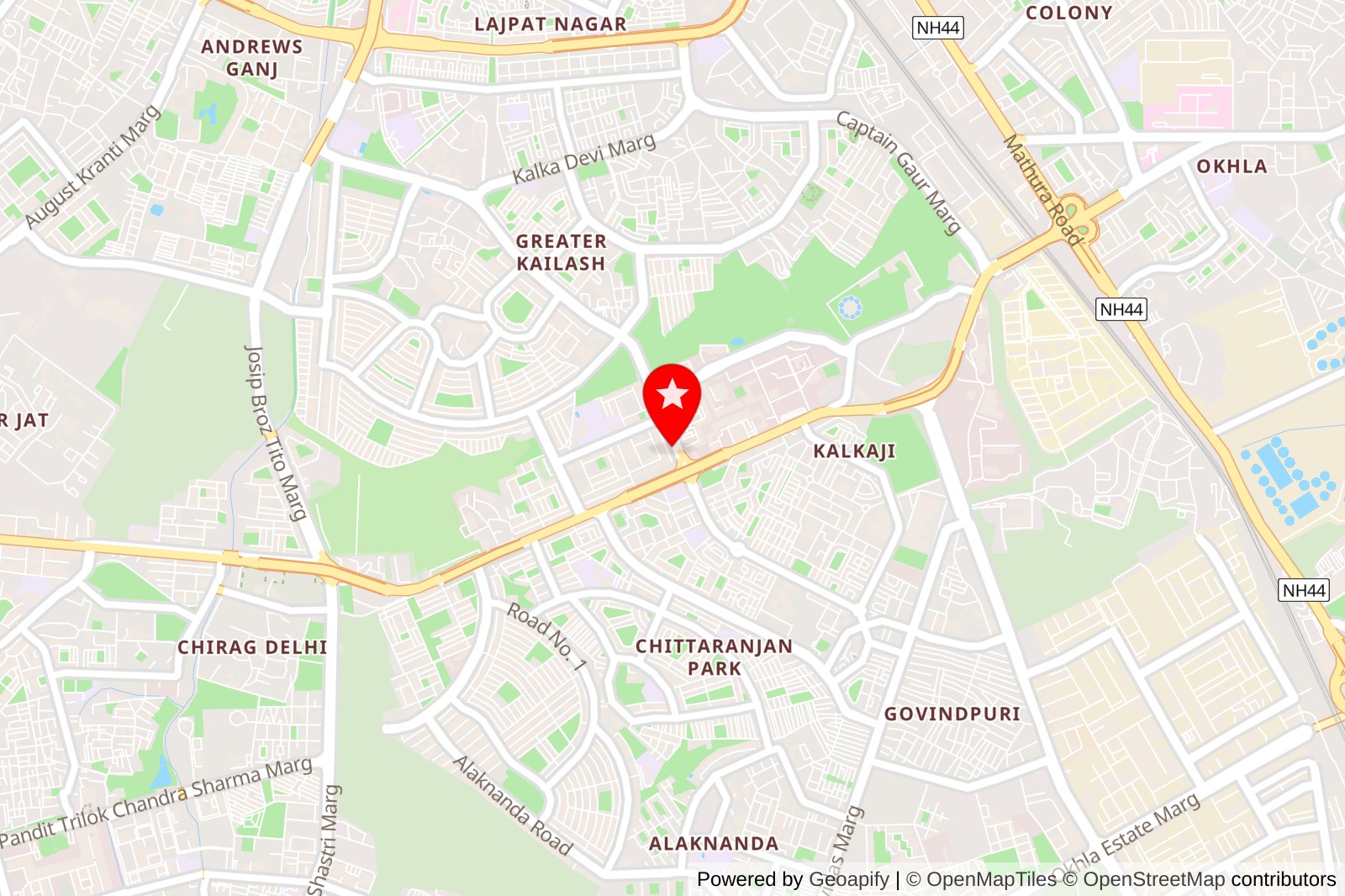
Fortis C-Doc feels like a busy, well-run hospital from the moment one enters. The stroke unit looks modern and the staff move with clear purpose. They use up-to-date imaging and consult quickly, which matters for early stroke care.
A neurologist greeted the patient and explained tests in plain terms. Nurses monitored vitals closely and the team coordinated with radiology without delay. The emergency area seems set up to handle time-sensitive cases.
Rehabilitation services are available on site and the therapists work one-on-one. Care plans include physical therapy and follow-ups, so patients leave with clear next steps. The hospital also keeps family informed and involved in decisions.
The facility sits in a busy neighborhood but offers a calm clinical environment inside. Parking and entry are straightforward, and administrative staff handled paperwork efficiently.
Rating: 4.7 (2020 reviews)
Location: B-16, Nehru Place Flyover, opp. Devika Tower, Chirag Enclave, Greater Kailash, New Delhi, Delhi 110048, India
Contact: +91 11 4910 1222
Website: Visit Website
8) HCAH – Stroke Rehabilitation Center Delhi | Paralysis and Neuro Care | Paralysis Rehab & Recovery Center
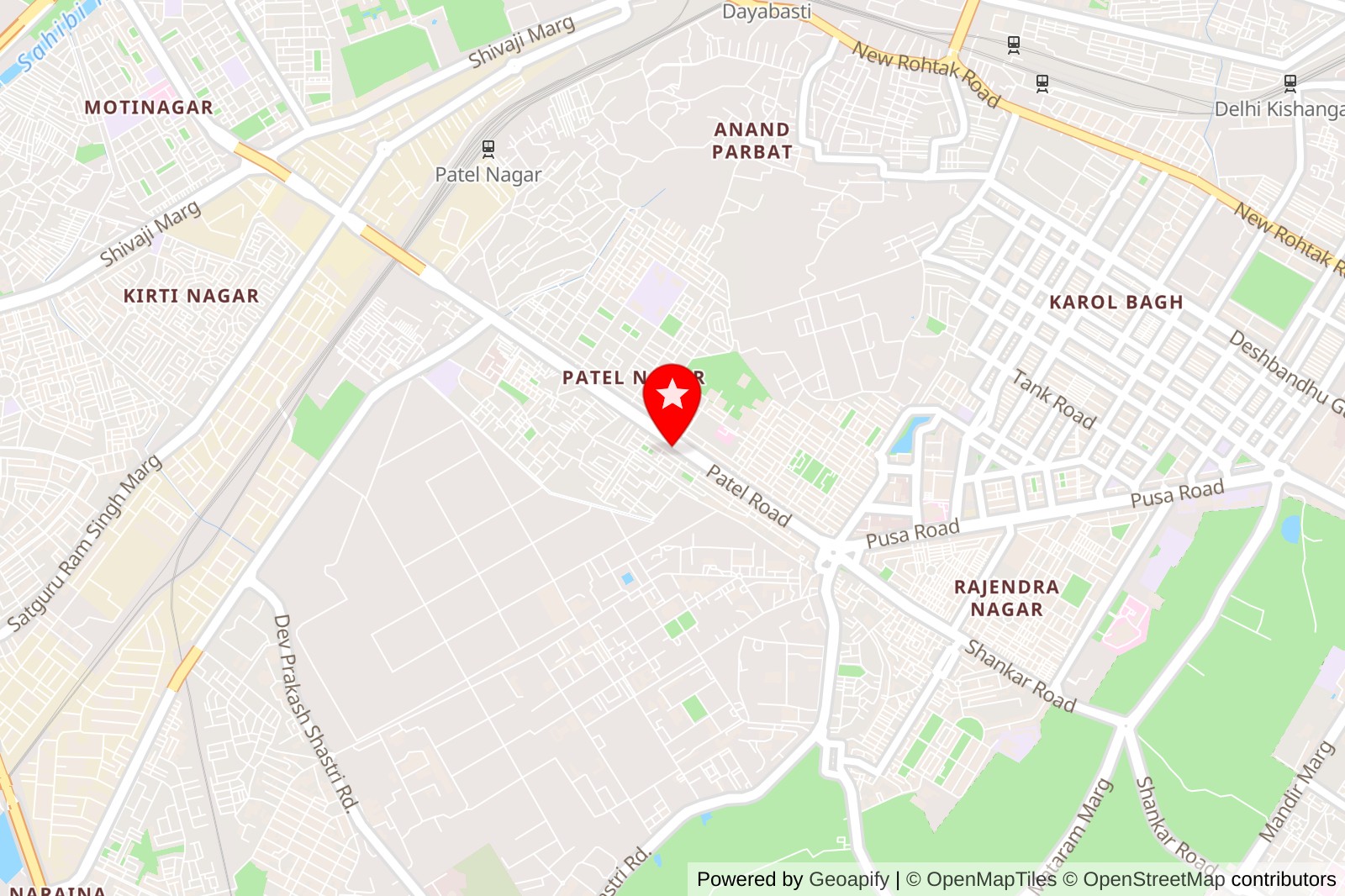
The center feels clinical but welcoming, with clear zones for physiotherapy, speech therapy, and respiratory care. Staff led by doctors explain goals and show a step-by-step recovery plan, which makes the care feel focused and measurable.
They use robotic gait trainers and other modern equipment during sessions. Therapists work on walking, balance, swallowing, and daily activities with hands-on practice and repeated drills.
Nurses monitor patients around the clock and the team includes physiatrists, speech therapists, dietitians, and psychologists. Family members receive guidance so they can help reinforce exercises at home.
The program stresses the first 90 days after stroke and sets short-term milestones like moving from tube feeding to oral intake and walking with support. The atmosphere supports steady progress without overpromising results.
Rating: 4.3 (207 reviews)
Location: 15, near Metro Pillar No. 198, South Patel Nagar, Block 1, South Patel Nagar, New Delhi, Delhi, 110008, India
Contact: +91 92402 50442
Website: Visit Website
9) INDIAN STROKE AND PARALYSIS CARE CENTRE
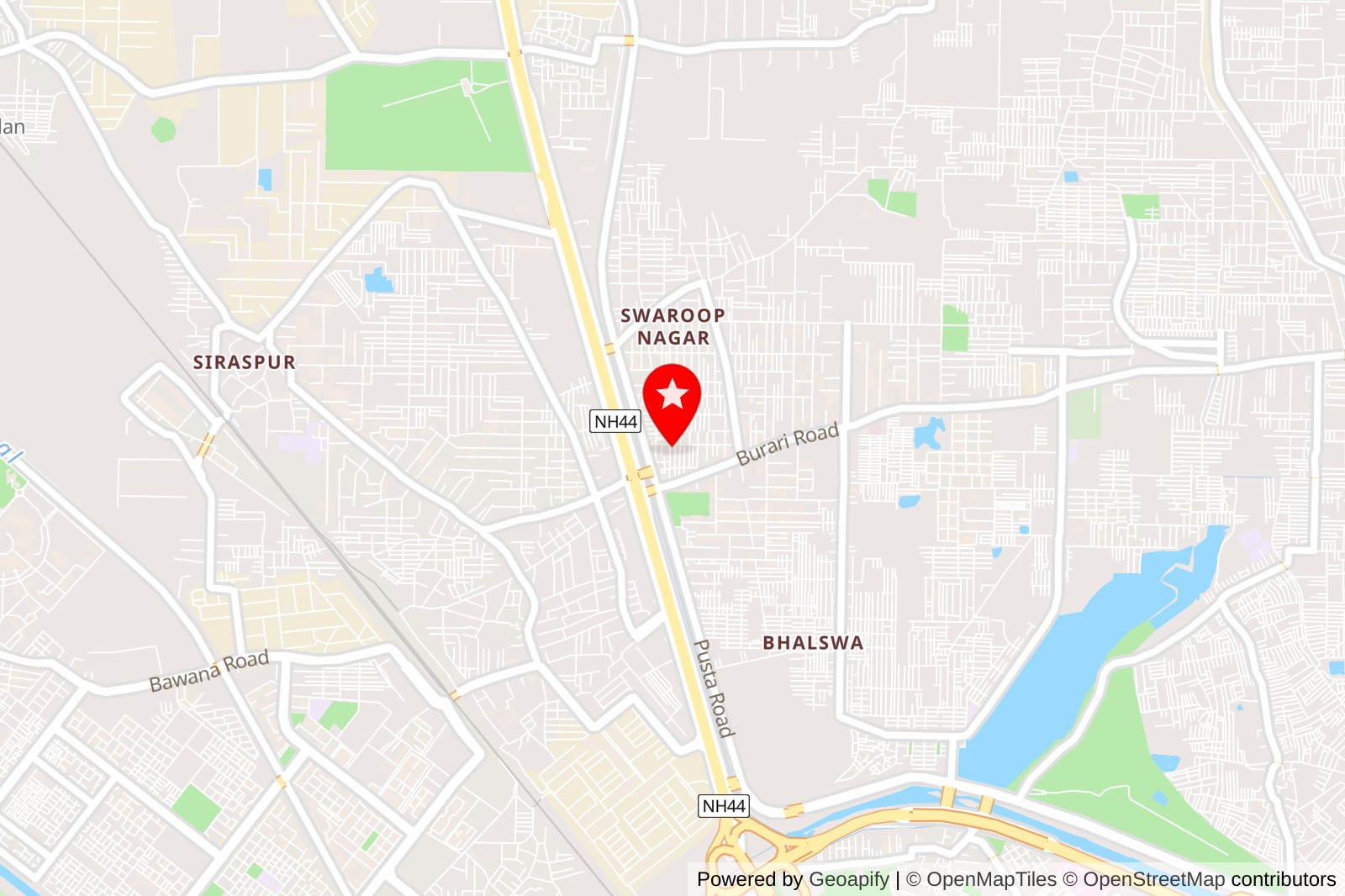
The centre feels focused and purposeful, with a small team that knows stroke recovery well. Staff speak calmly and explain each therapy step, and the therapy rooms are practical rather than flashy.
During the visit, therapists worked one-on-one with patients on balance, movement, and daily tasks. They use common rehab tools and exercises and tailor sessions to each person’s needs.
The facility operates as a nonprofit and treats a range of neurological injuries, not just stroke. It seems geared toward steady, long-term rehab rather than emergency care or advanced surgical treatment.
Appointments are handled by phone, and the clinic keeps a community-oriented approach. Patients often return for follow-up sessions, which suggests steady progress for many who attend.
Rating: 4.9 (27 reviews)
Location: D, 74, Gali Number 1, Block D, Swaroop Nagar, Delhi-42, Delhi, 110042, India
Contact: +91 87006 24793
Website: Visit Website
10) Max Super Speciality Hospital, Saket (Max Saket)
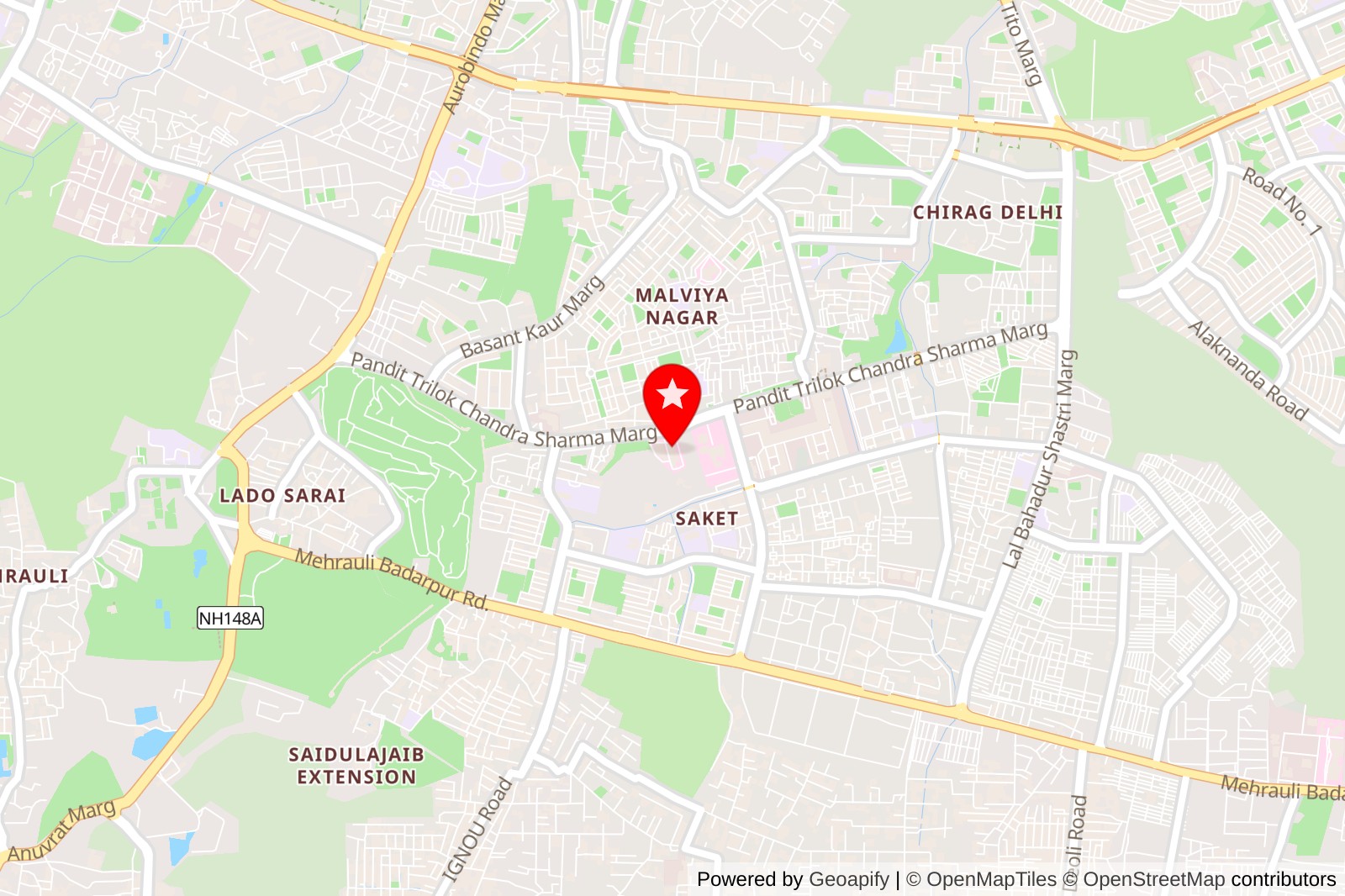
The hospital feels large and well-organized, with clear signs and fast triage at the emergency entrance. The stroke team seemed prepared, and I noticed dedicated CT and imaging access nearby, which speeds diagnosis and treatment.
Clinicians I saw moved between wards and the stroke unit with purpose. They offer advanced services like thrombectomy and transplant-level critical care, and the staff explained care plans in simple terms.
The facility mixes modern tech and busy corridors. Outpatient clinics run smoothly and they provide follow-up care and rehab services that help patients regain function after a stroke.
Rating: 4.2 (8730 reviews)
Location: Max Super Speciality Hospital, Saket
Contact: +91 11 2651 5050
Website: Visit Website
Factors to Consider When Choosing a Stroke Care Hospital

Evaluate hospital credentials, team experience, imaging and treatment options, and post-stroke rehab and follow-up. These factors affect how quickly a patient receives care, the treatments available, and the quality of recovery support.
Accreditation and Certifications
Check for national and international accreditations such as NABH (National Accreditation Board for Hospitals) or JCI (Joint Commission International). These show the hospital follows set safety and clinical-care standards.
Look for stroke-specific certifications or recognition from neurology or cardiology societies. They indicate structured stroke pathways and audited outcomes.
Verify that the hospital documents door-to-needle and door-to-groin times for thrombolysis and thrombectomy. Short, audited times mean faster treatment in emergencies.
Ask for published outcome data: mortality rates, complication rates, and readmission rates for stroke patients. Transparent data helps compare quality between hospitals.
Availability of Multidisciplinary Teams
Confirm the hospital has an on-call stroke team that includes neurologists, neurointerventionalists, neurosurgeons, stroke nurses, and emergency physicians. Team availability 24/7 is crucial for time-sensitive care.
Check for allied specialists like cardiologists and vascular surgeons for stroke causes related to heart or vessels.
Look for integrated care meetings that include physiotherapists, occupational therapists, speech therapists, and social workers. Early involvement of rehab disciplines supports faster functional recovery.
Ask whether the hospital uses a stroke coordinator or case manager to streamline care, discharge planning, and communication with family.
Access to Advanced Imaging and Procedures
Ensure the hospital offers 24/7 CT scan, CT angiography, and MRI with diffusion-weighted imaging. These tests guide acute treatment choices and help detect small or posterior-circulation strokes.
Confirm availability of CT perfusion and advanced imaging software used to select patients for late-window thrombectomy (beyond 6 hours).
Check for in-house neurointerventional suites and experienced endovascular teams that perform mechanical thrombectomy. Availability of catheter-based clot retrieval can greatly expand treatment options.
Ask if the center performs carotid interventions, aneurysm management, and intracerebral hemorrhage procedures when needed.
Rehabilitation and Follow-Up Services
Verify the hospital runs an inpatient stroke rehabilitation unit with daily physiotherapy, occupational therapy, and speech therapy. Early, intensive rehab improves outcomes.
Look for individualized rehab plans that set measurable goals and track progress with standard scales (for example, the Modified Rankin Scale or Barthel Index).
Confirm outpatient rehab clinics and home-based therapy options for continued recovery after discharge. Long-term access to physiotherapy, speech therapy, and neuropsychology matters for sustained gains.
Ask about structured follow-up programs that include secondary prevention: vascular risk management, medication review, and lifestyle counseling.
Standards of Stroke Care in Leading Delhi Hospitals
Leading hospitals in Delhi maintain fast emergency pathways, routine use of advanced imaging and telestroke links, and structured rehab plans that start during the acute stay. They measure door-to-CT, door-to-needle, and endovascular procedure times, and run family education and secondary prevention programs.
Emergency Response Times
Delhi hospitals track key timing metrics: door-to-CT under 20–30 minutes, door-to-needle (IV thrombolysis) under 60 minutes, and door-to-groin puncture for thrombectomy ideally within 90–120 minutes when indicated. Emergency teams use stroke codes to mobilize neurologists, radiology, and interventional suites immediately.
Ambulance pre-notification is common at major centers, so imaging and lab work start before patient arrival. This saves crucial minutes for reperfusion therapy and reduces the risk of disability.
Hospitals also run regular stroke drills and audit response times monthly. When delays occur, teams review cases to change protocols or staffing to improve outcomes.
Use of Telemedicine and Technology
Top Delhi hospitals use high-resolution CT, CT perfusion, and MRI to identify salvageable brain tissue quickly. Many centers connect with peripheral hospitals via telestroke platforms to offer remote stroke specialist advice and approve thrombolysis before transfer.
Telestroke links cut treatment delay for patients in smaller hospitals and guide safe transfers for thrombectomy. Electronic medical records and stroke registries track outcomes and help audit care quality.
Advanced centers also use mobile stroke units or point-of-care testing in the ED to speed decisions. Imaging-based selection for thrombectomy follows international criteria to avoid unnecessary transfers.
Patient-Centered Recovery Programs
Rehabilitation begins in the acute ward with early physiotherapy, occupational therapy, and speech therapy within 24–48 hours if the patient is stable. Multidisciplinary teams create written discharge plans that include home exercises, medication lists, and follow-up clinic dates.
Hospitals offer structured programs: inpatient rehab, day-care therapy, and outpatient neuro-rehab clinics with goal-setting and progress tracking. Care coordinators arrange community services and caregiver training for safe home care.
Secondary prevention clinics provide BP, lipid, diabetes control, and lifestyle counseling. Many hospitals run stroke support groups and tele-rehab options for patients who cannot travel.
FAQS
What is the fastest way to get stroke care in Delhi?
They should call emergency services or go to a hospital with a dedicated stroke unit. Quick imaging (CT or MRI) and assessment determine treatment options like clot-busting drugs or thrombectomy.
Which hospitals offer 24/7 stroke services?
Many large Delhi centers have round-the-clock stroke teams and imaging. Patients should confirm availability of neurointervention, ICU beds, and rehabilitation before travel.
How soon must treatment start after stroke symptoms?
Treatment works best when started within hours. For ischemic stroke, certain therapies are most effective within a 4.5–24 hour window depending on tests and eligibility.
Will insurance cover stroke treatment?
Coverage depends on the plan and hospital. They should check policy details for emergency care, surgery, ICU, and rehabilitation costs before admission when possible.
What should a family bring to the hospital?
Bring ID, insurance papers, current medicines list, and recent medical reports. A contact who knows the patient’s medical history helps clinical decisions.
How long is hospital stay after a stroke?
Stay varies by severity and treatment. It can range from a few days for mild cases to weeks for severe strokes needing rehab and monitoring.
Is rehabilitation available in Delhi hospitals?
Yes. Many centers include physiotherapy, speech therapy, and occupational therapy. Early rehab improves recovery chances.
How to choose the right hospital?
They should consider stroke unit availability, neurointervention experience, rehab services, and patient reviews. Distance and insurance acceptance also matter.
Conclusion
Patients and families find a strong range of stroke care options in Delhi. The listed hospitals combine emergency response, advanced imaging, and neurorehabilitation to treat acute strokes and support recovery.
Many centers offer multidisciplinary teams that include neurologists, neurosurgeons, interventional radiologists, and physiotherapists. This teamwork helps speed diagnosis, start treatments like thrombolysis or thrombectomy, and plan rehab.
Choices depend on factors such as stroke type, time since symptom onset, insurance, and location. For urgent care, hospitals with 24/7 stroke units and on-call interventional teams provide the best chance for rapid treatment.
Consider practical details when choosing a center: ambulance access, language support, follow-up rehab options, and patient reviews. Patients should also check hospital accreditations and outcome data when available.
A simple checklist can help families decide:
- Time to treatment (door-to-needle or door-to-puncture)
- Availability of stroke unit and ICU beds
- Access to advanced imaging and endovascular therapy
- Rehabilitation services and outpatient follow-up
They should contact hospitals directly to confirm services and ask about insurance or international patient support. Early action and the right hospital choice improve the likelihood of better recovery.