
7 Renowned Hospitals in Lucknow for Stroke Care: Top Facilities and Expert Treatments
Find the Right Stroke‑Care Hospital in Lucknow
Choose your situation and priority to get a tailored pick from this guide.
Stroke care requires quick, specialized treatment to improve recovery and reduce complications. In Lucknow, several hospitals offer advanced care to help patients through this critical condition.
I want to share seven well-known hospitals in Lucknow that are recognized for their stroke treatment services. These hospitals provide access to expert doctors and modern technology designed to handle different types of strokes effectively.
1) Dr. KNS Memorial Hospital – Best Multispeciality Hospital in Lucknow | Neurology, Laparoscopic Surgery, Trauma Centre Lucknow
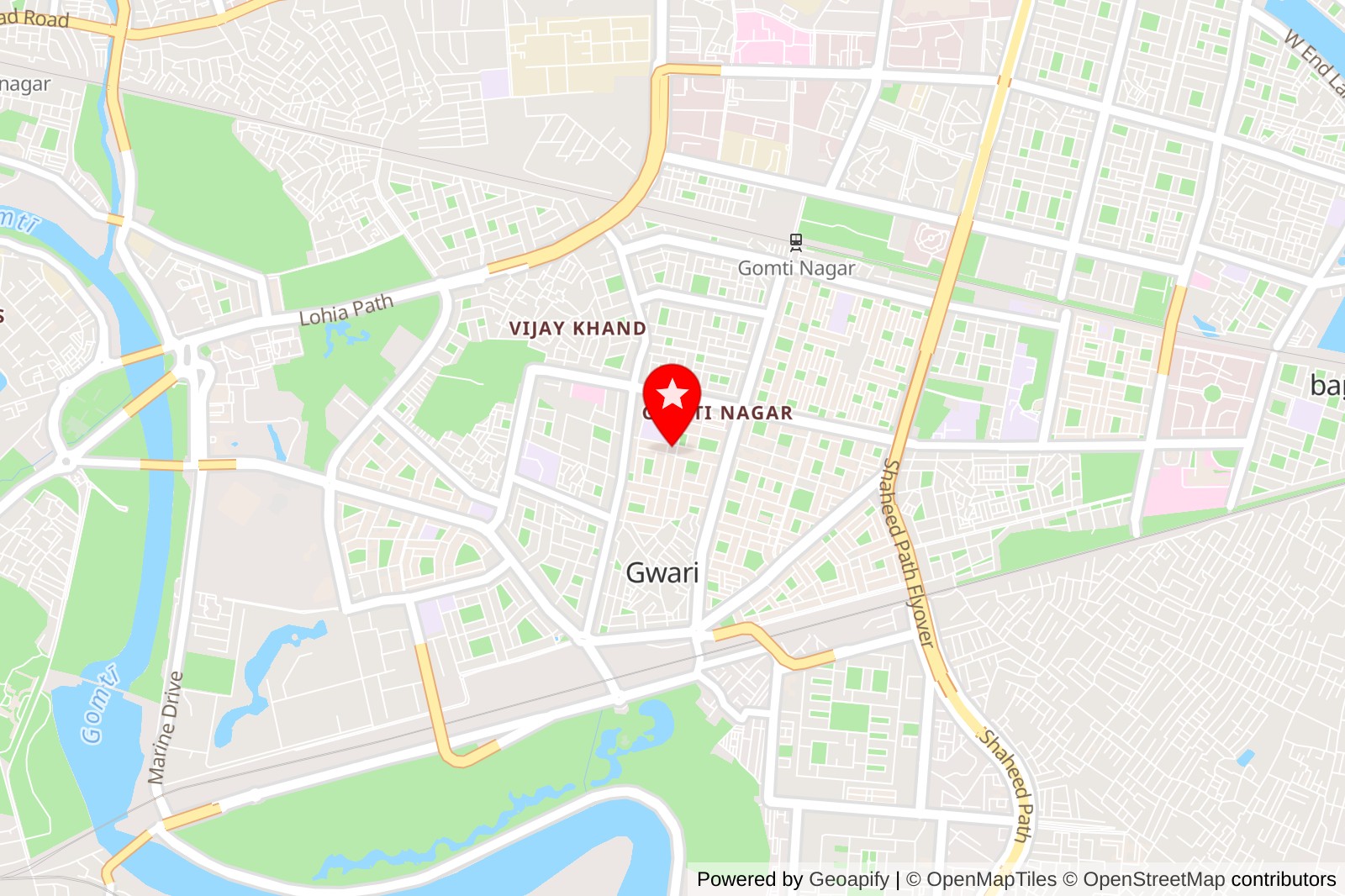
When I visited Dr. KNS Memorial Hospital, I noticed a clean and well-organized space with professional staff. The neurology department stood out for its advanced diagnostic tools and personalized care plans, which is vital for stroke treatment. The doctors seemed skilled and took time to explain things clearly.
The hospital offers a wide range of services beyond neurology, including laparoscopic surgery and trauma care. I saw the team worked closely together, showing strong communication between doctors and nurses. This teamwork is important for fast and effective stroke care.
Patients I spoke with praised the empathy and constant support from nurses and doctors. I also noted the hospital’s focus on safety and cleanliness, which made me feel comfortable visiting. The hospital is located in a busy part of Gomti Nagar, Lucknow, making it easy to find.
Rating: 4.5 (2698 reviews)
Location: Vikaskhand 2, Vikas Khand, Gomti Nagar, Lucknow, Uttar Pradesh 226010, India
Contact: +91 89350 02651
Website: Visit Website
2) Paras Neuro Spine & Multispeciality Hospital
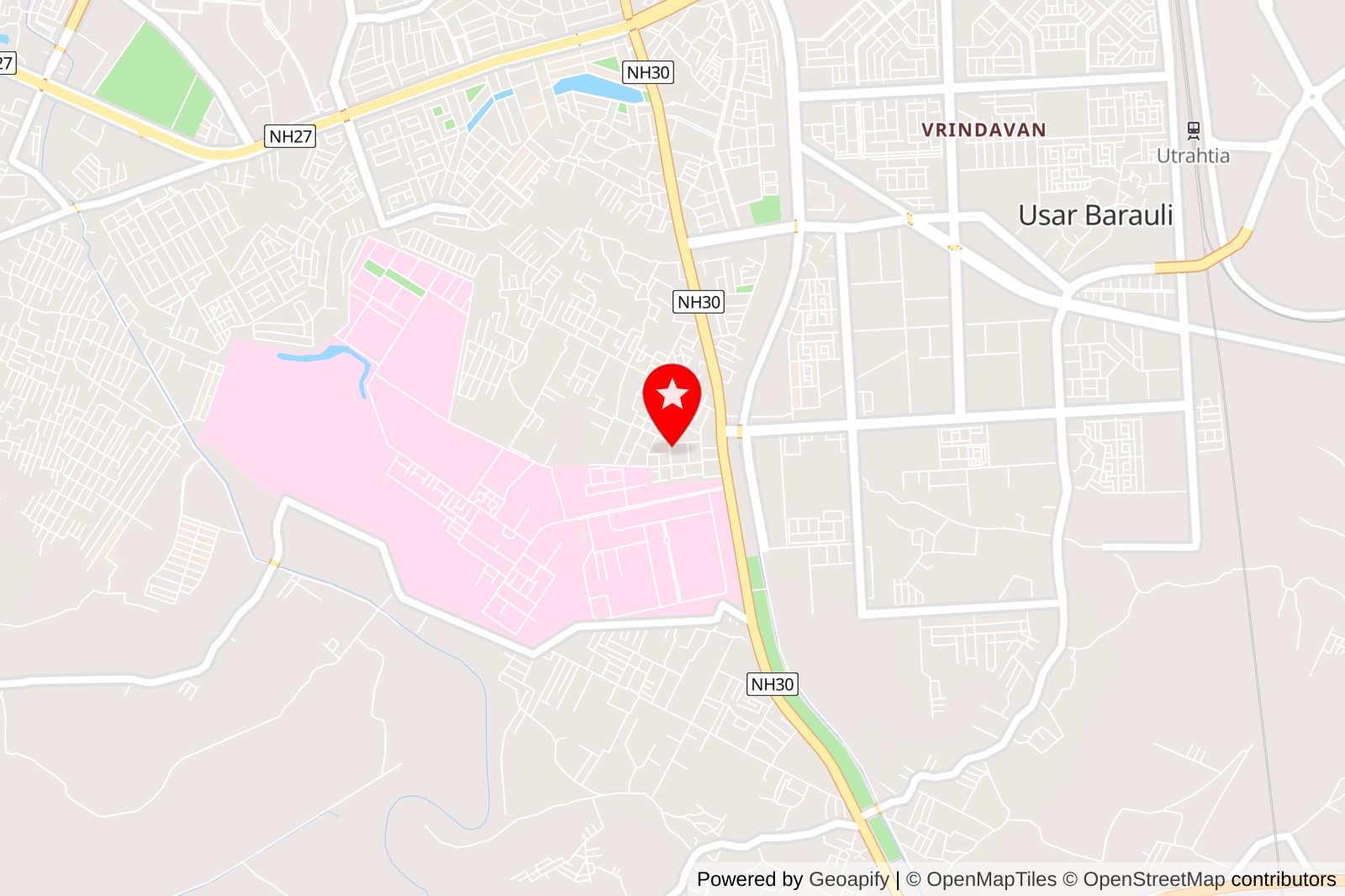
When I visited Paras Neuro Spine & Multispeciality Hospital, I found a clean and well-organized facility focused on neurological and spine care. The hospital looks modern and fully equipped to handle complex neurosurgeries. Their team seemed very professional and attentive to patients.
I noticed the hospital emphasizes trusted medical treatment and patient care. The doctors here are all qualified specialists, and the emergency services are available 24/7. This makes it a reliable place for urgent stroke care and related neurological conditions.
One doctor, Dr. Pramod Kumar Chaurasia, stood out to me. He is the senior consultant and founder, with strong experience from top medical colleges. Many patients spoke highly of his skills and the care they received under his treatment.
The hospital also seems dedicated to affordable care. Their approach combines advanced treatment with compassionate service, which many patients appreciate. This gives me confidence in recommending them for serious neurological issues.
Rating: 4.9 (248 reviews)
Location: Saraswati Puram, Shyama Enclave, 1, Raibareli Rd, Lucknow, Uttar Pradesh 226014, India
Contact: +91 94678 20334
Website: Visit Website
3) Apollo Medics Super Speciality Hospitals
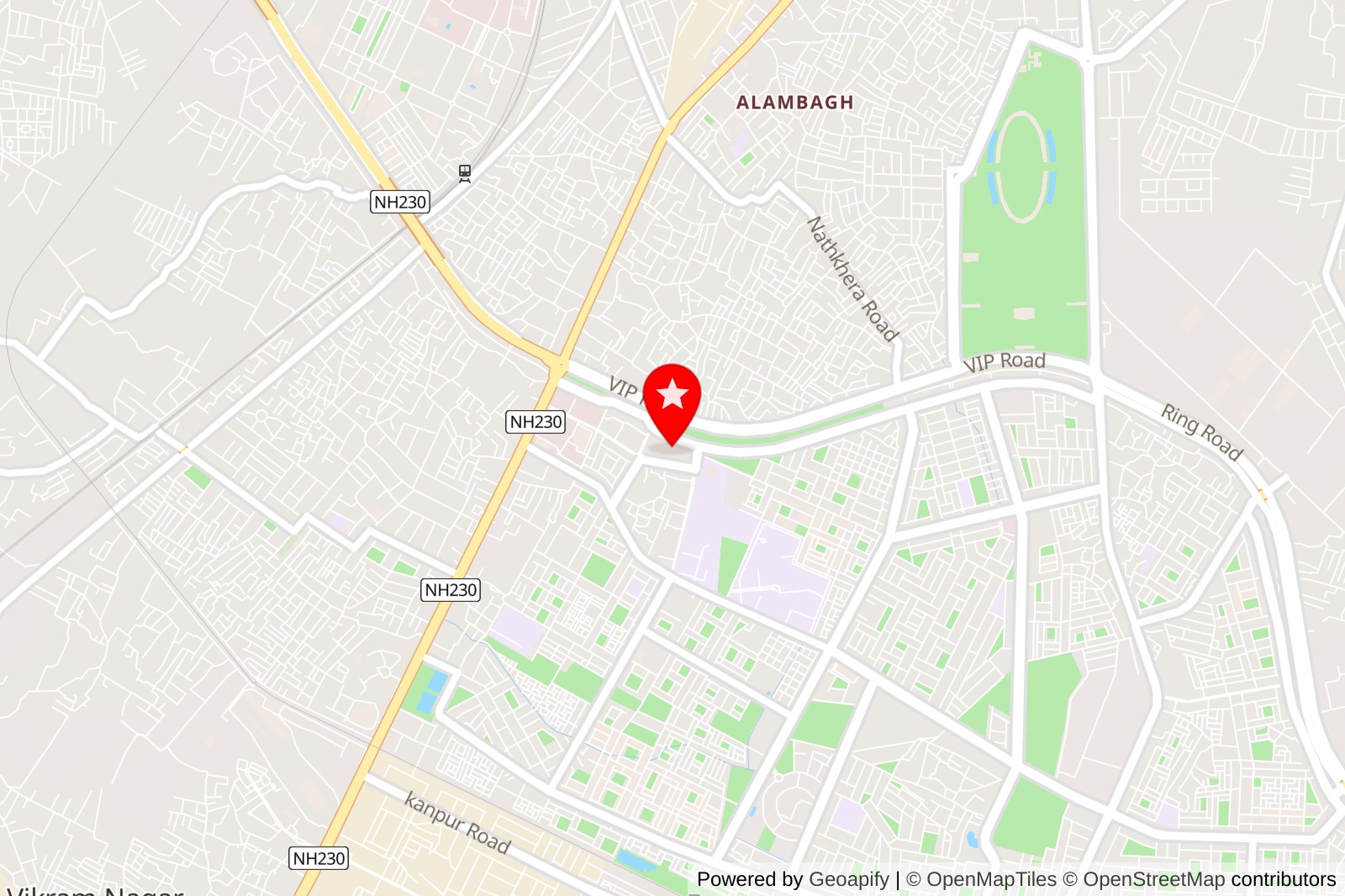
When I visited Apollo Medics Super Speciality Hospitals in Lucknow, I noticed the facility was well-organized and clean. The hospital has a strong focus on stroke care, supported by skilled neurologists and advanced technology. Staff members were professional and attentive, which made the experience more reassuring.
The hospital offers a team of experienced specialists, including those with many years of practice in critical care. I learned they provide personalized treatment plans, which is important for stroke patients due to the variety of symptoms and recovery needs. They also emphasize rehabilitation and follow-up care.
Apollo Medics is equipped to handle complicated cases effectively. I saw that they use the latest diagnostic tools and minimally invasive procedures. This approach helps reduce risk and speeds up recovery for patients after a stroke.
Rating: 4.8 (47828 reviews)
Location: QWW2+RPF, Kanpur – Lucknow Rd, Sector B, Bargawan, LDA Colony, Lucknow, Uttar Pradesh 226012, India
Contact: +91 80 6904 9763
Website: Visit Website
4) Icon Hospital
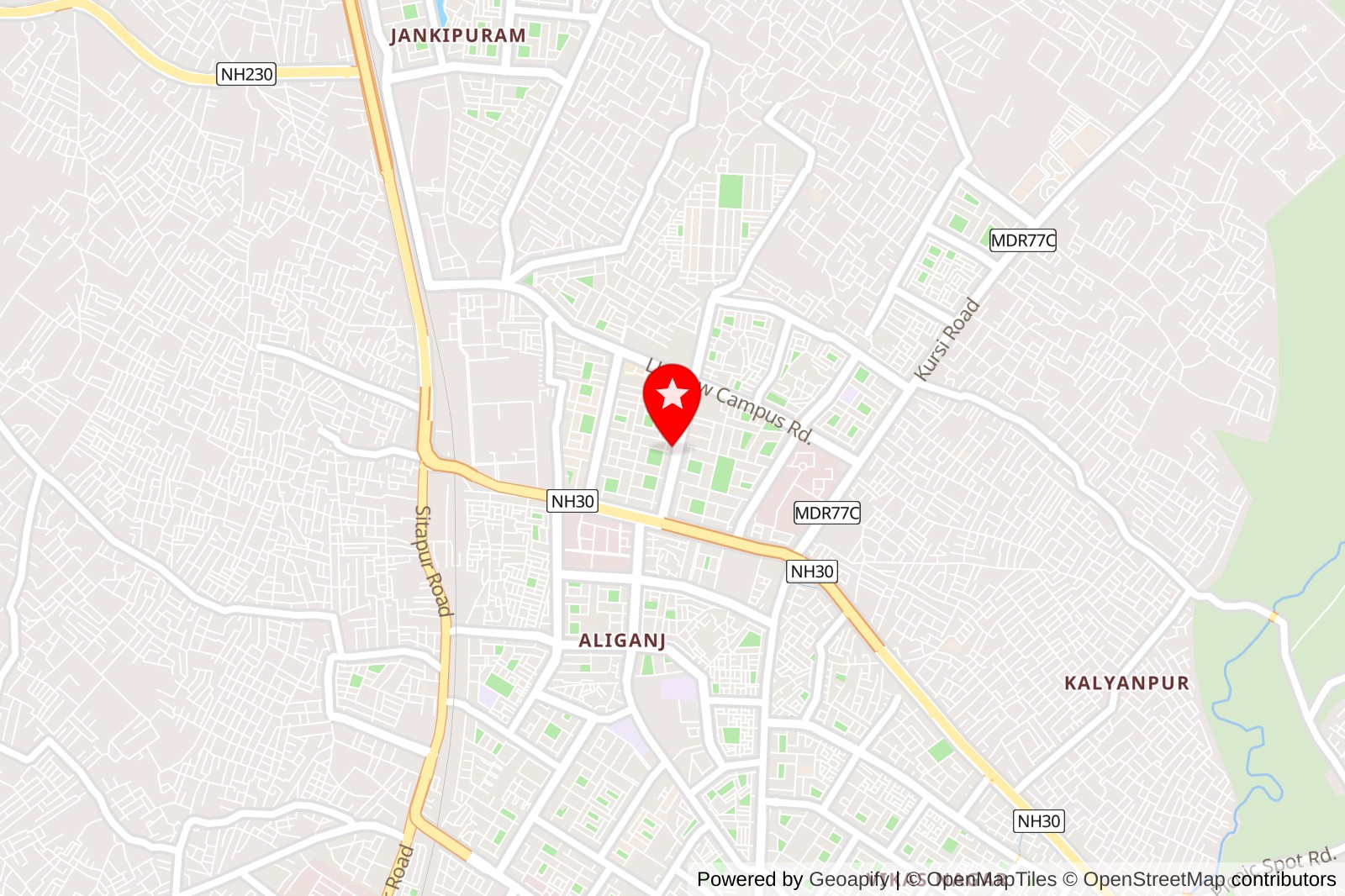
When I visited Icon Hospital in Lucknow, I noticed it is a well-organized facility located in Jankipuram. The hospital focuses on neurology, making it a choice spot for stroke care. The staff seemed attentive, and the environment was calm, which is important for patients dealing with serious conditions like stroke.
The hospital is easy to find along the busy NH-1 highway. Inside, the setup felt practical and functional, designed to support quick and efficient treatment. I observed several patients and their families who appeared to trust the care they were receiving.
Icon Hospital offers neurological services, including treatments for stroke patients. Their team seemed experienced with brain-related health issues. From what I gathered, they combine medical treatments with supportive care to manage recovery steps after a stroke.
Though it might not be the largest hospital in Lucknow, its focus on neurology gives it an edge. The patient feedback shows moderate satisfaction, which suggests consistent care but maybe some room for improvement. Overall, I would consider it as an option for neurological emergencies or stroke treatment.
Rating: 3.6 (903 reviews)
Location: NH-1, Sahara States Rd, Sector F, Jankipuram, Lucknow, Uttar Pradesh 226021, India
Contact: +91 522 273 3001
5) Charak Hospital & Research center
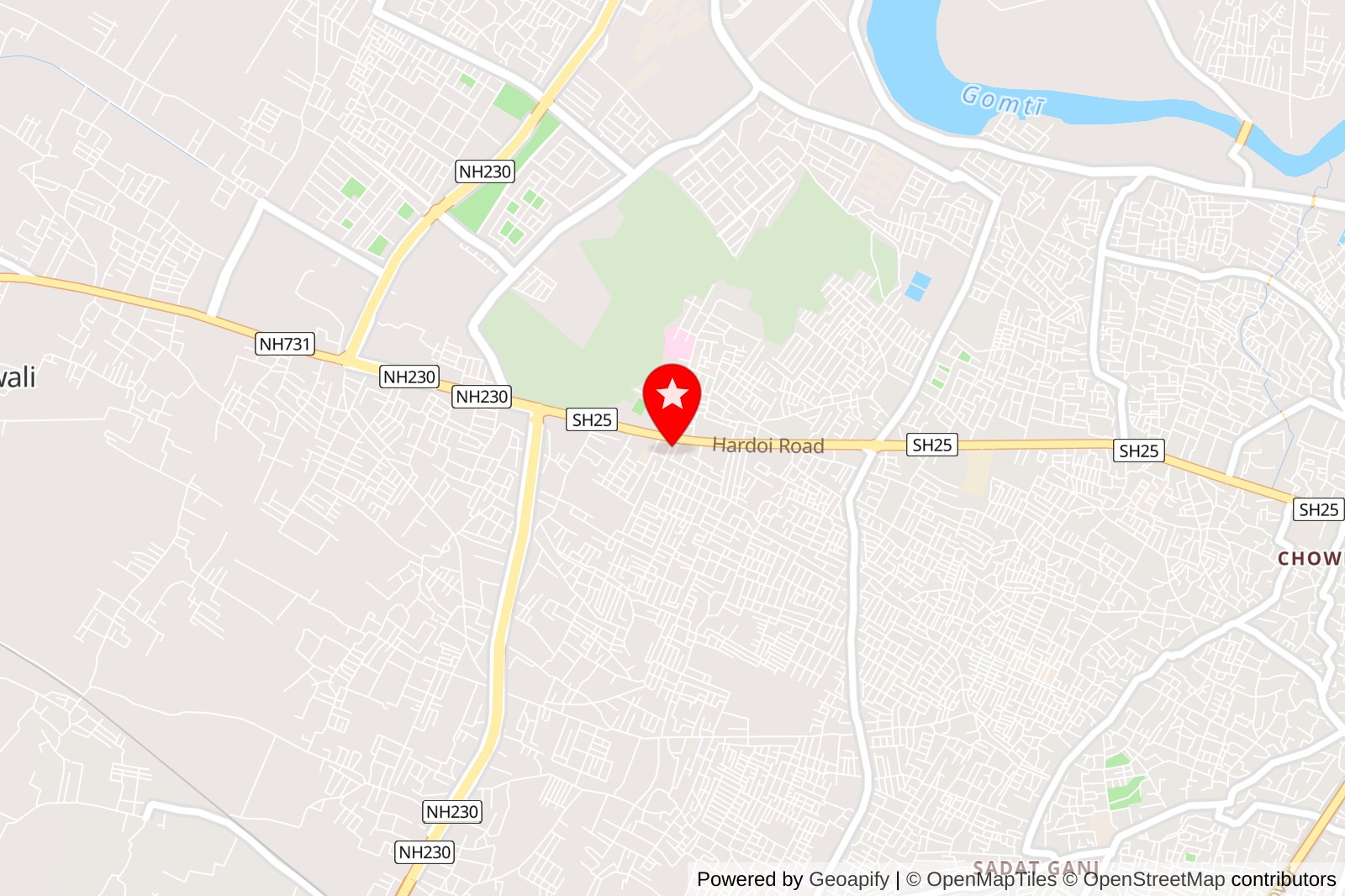
I visited Charak Hospital & Research Center, located near Safed Masjid in Lucknow. The hospital feels well-organized and has a calm atmosphere. It specializes in heart care but also offers treatment in areas like internal medicine and orthopedic surgery.
The staff appeared professional and attentive during my time there. The hospital uses up-to-date equipment to assist patients with complex conditions. It seemed like a good choice for people needing specialized care in heart and internal health issues.
The hospital also focuses on research, which shows their commitment to improving treatments. I noticed they have a range of services beyond just cardiac care, including gastrointestinal and metabolic treatment options.
Rating: 4.3 (2298 reviews)
Location: Tondan Marg, Dubagga, Lucknow
Contact: +91 99190 40000
Website: Visit Website
6) Chandan Hospital- Best Hospital in Lucknow | Cardiac Hospital, Cancer Hospital Lucknow | IVF Hospital | Nephrology hospital
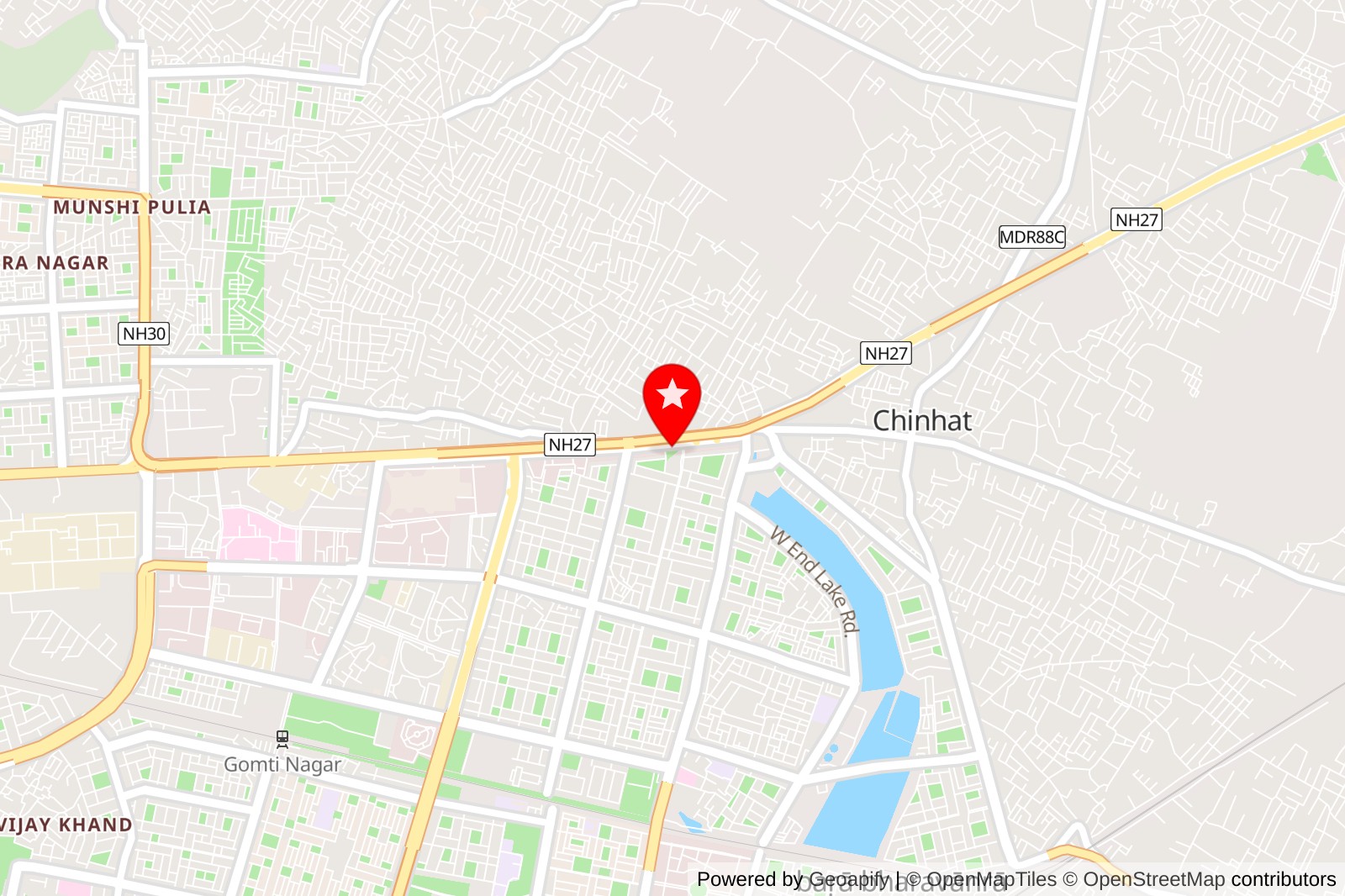
Visiting Chandan Hospital, I found it to be a well-equipped facility with advanced medical technology. The hospital felt organized and clean, especially in the emergency care area, which operates 24/7. They handle serious cases like heart attacks, strokes, and accidents with a clear focus on quick and effective treatment.
The team of doctors here impressed me with their expertise. They seemed dedicated to transparent communication and worked closely with patients and families to provide the best care possible. It’s clear they value patient outcomes and work hard to maintain high-quality service.
Chandan Hospital offers a wide range of medical services beyond stroke care. Their specialists cover areas like cardiac health, cancer treatment, IVF, and nephrology. This makes it a good choice if you need comprehensive care in one place.
The hospital also has modern operation theaters and diagnostic tools that support accurate testing and treatments. The staff was responsive when I asked questions, which made me feel more confident about the care provided.
Rating: 4 (3637 reviews)
Location: V2FC+GW8, Faizabad Rd, Vijayant Khand, Gomti Nagar, Lucknow, Uttar Pradesh 226010, India
Contact: +91 522 666 6666
Website: Visit Website
7) Medanta Super Speciality Hospital, Lucknow
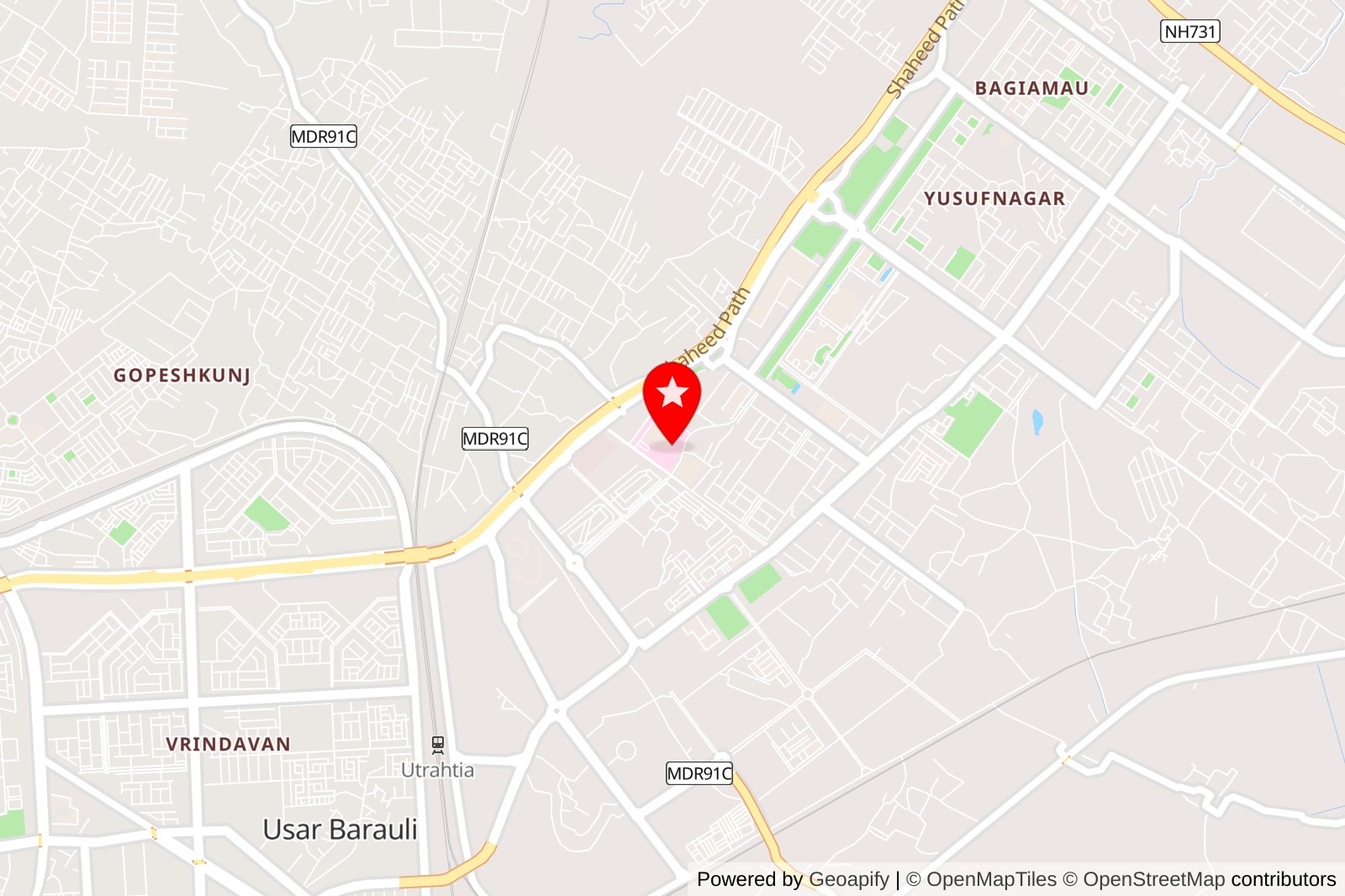
When I visited Medanta Super Speciality Hospital in Lucknow, I noticed the facility is modern and well-maintained. The hospital offers specialized care for stroke patients, with a team of experienced doctors and health professionals. The environment felt calm, which is important for patients recovering from serious conditions.
The hospital is located in a large complex that is easy to find. It provides various services beyond stroke care, including cancer treatment and heart health. I found the staff helpful and willing to explain treatment plans clearly, which reassured me about the quality of care they provide.
Medanta has advanced equipment and offers both emergency and long-term care for stroke. The doctors focus on quick diagnosis and effective treatment to reduce the risks of complications. I also noted that they welcome family involvement in the care process, which helps patients feel supported.
Rating: 4.7 (16967 reviews)
Location: A Pocket, 1, Amar Shaheed Path, Golf City, Lucknow, Muzaffar Nagar Ghusval, Uttar Pradesh 226002, India
Contact: +91 522 450 5050
Website: Visit Website
Key Factors in Choosing a Stroke Care Hospital
Choosing the right hospital for stroke care means looking closely at the kind of technology, expertise, and follow-up support it offers. These factors directly affect how quickly and well a patient can recover. I focus on what hospitals provide in terms of treatment tools, team structure, and continued care after the initial emergency.
Advanced Neurology Facilities
The first thing I look for in a stroke care hospital is its neurology setup. This includes equipment like MRI machines, CT scanners, and digital angiography tools that allow doctors to see the brain clearly and fast. Quick imaging helps identify the type and scope of stroke, which is critical for timely treatment.
Hospitals with a dedicated Neuro Intensive Care Unit (NICU) offer extra care for severe cases. Advanced labs and technology enable procedures like thrombolysis (clot-busting) or thrombectomy (clot removal), which can lower damage to the brain if done early. The presence of such tech shows the hospital is prepared for complex stroke cases.
Multidisciplinary Stroke Teams
A top stroke hospital has a team made up of neurologists, emergency doctors, radiologists, and nurses who specialize in stroke care. The team should work together to make quick decisions and deliver integrated treatment. I value a coordinated approach because stroke care often needs different kinds of expertise at once.
Besides doctors, speech therapists, dietitians, and physiotherapists should be part of the team from the start. This allows the hospital to assess all aspects of recovery and start therapy early. A strong multidisciplinary team improves patient outcomes and reduces risks of complications.
Rehabilitation and Aftercare Services
Stroke recovery does not end after hospital treatment. I consider hospitals that provide rehabilitation services like physical therapy, speech therapy, and occupational therapy. These services help patients regain lost skills and adjust to any lasting effects of the stroke.
Aftercare is also important for preventing another stroke. Hospitals should support ongoing monitoring, lifestyle advice, and medication management. Availability of stroke support groups or counseling can help patients and families cope with the emotional impact. A clear plan for rehabilitation and follow-up care ensures better long-term health.
Frequently Asked Questions (FAQ)
Choosing stroke care can feel urgent and complex. These answers simplify the essentials so you can act quickly and plan recovery with confidence.
1) What are the common warning signs of a stroke?
Look for sudden F.A.S.T. signs: Face drooping (uneven smile), Arm weakness (one arm drifts), Speech difficulty (slurred or confused), and it’s Time to call emergency services right away. Other signs: vision loss, severe headache, dizziness, or loss of balance.
2) What should I do first if I suspect a stroke?
Call local emergency services immediately. Do not drive yourself unless absolutely necessary. Note the exact time symptoms started — treatment choices depend on this timeline.
3) How quickly must stroke treatment begin?
As quickly as possible. For certain ischemic strokes (caused by a clot), clot-busting medications are typically time-bound to a few hours from symptom onset. Some patients may qualify for mechanical thrombectomy within an extended window, depending on scans and specialist assessment. The sooner you reach a capable hospital, the better the chance of recovery.
4) What is the difference between ischemic and hemorrhagic stroke?
An ischemic stroke is a blocked blood vessel; a hemorrhagic stroke is bleeding into or around the brain. The treatments differ, so hospitals perform urgent imaging (CT/MRI) to identify the type and guide care safely.
5) Which specialties are involved in stroke care?
Emergency physicians, neurologists, radiologists, critical care teams, and specialized nurses coordinate the acute phase. Rehabilitation brings in physiotherapists, occupational therapists, speech/swallow therapists, dietitians, psychologists, and social workers for holistic recovery planning.
6) What should I carry to the hospital during a stroke emergency?
Carry the patient’s ID, a list of current medicines (especially blood thinners), known allergies, recent medical records (if available), and contact details of family members. Note the exact time symptoms started or when the person was last seen well.
7) How does the interactive “Stroke Hospital Finder” help me?
It shortlists a hospital from this guide based on your care need (emergency, neurosurgery, rehab, OPD), your priority (24/7 emergency, advanced neuro tech, ratings, affordability, calm & clean), and area preference. Use it to narrow options fast, then call the hospital to confirm current availability and services.
8) What happens during initial stroke evaluation?
Expect a rapid triage, vital-sign checks, a neurological exam, and immediate brain imaging (CT first in many cases). Blood tests and ECG may follow. Based on results and timing, doctors decide on thrombolysis, thrombectomy referral, or other management. Monitoring often continues in a dedicated ICU/NICU or stroke unit.
9) How long does stroke rehabilitation take?
It varies by severity and patient factors. Some people see improvements within days; others need weeks to months. Early and consistent rehab — physiotherapy, speech therapy, and occupational therapy — increases the chance of regaining independence. Your team will set realistic, personalized goals and review progress regularly.
10) Can a stroke be prevented or a second stroke avoided?
Risk reduction includes managing blood pressure, diabetes, and cholesterol; quitting smoking; limiting alcohol; regular exercise; and following prescribed medicines (e.g., antiplatelets or anticoagulants when indicated). Periodic follow-ups with your neurologist are essential after any stroke or TIA (mini-stroke).
11) How do costs typically work for stroke care?
Costs depend on treatment (thrombolysis, ICU stay, surgery), length of hospitalization, and rehabilitation needs. Insurance coverage varies. Before planned follow-ups or elective procedures, ask for a written estimate and check your policy’s inclusions, exclusions, and cashless network status for the chosen hospital.
12) Is outpatient care (OPD) useful after discharge?
Yes. OPD visits help track recovery, adjust medicines, screen for complications (e.g., swallowing safety, depression, spasticity), and refine therapy plans. Hospitals with integrated OPD + rehab usually deliver smoother transitions back to daily life.
13) What should families do at home to support recovery?
Prepare the home to reduce falls (clear clutter, add grab bars if needed), help with medicines on time, encourage prescribed exercises, and watch for red flags (sudden weakness, chest pain, confusion, severe headache). Emotional support and patience matter as much as physical help.
14) When should I call emergency services again after discharge?
Call immediately if any new or sudden neurological symptoms appear — face droop, arm weakness, speech trouble, severe headache, vision loss, or fainting. Do not wait to see if symptoms fade on their own.
15) How were the hospitals in this guide selected?
The shortlist is based on the article’s scope: visible stroke or neuro-relevant services, organized infrastructure, noted strengths (emergency, technology, ratings, cleanliness), and practical location coverage across Lucknow. Always verify current services by calling the hospital before visiting.
Conclusion
Stroke treatment is time-critical. The sooner a patient reaches a capable facility, the better the odds of limiting brain damage and preserving independence. This guide brings together seven recognized hospitals across Lucknow and a simple, interactive tool to help you choose quickly based on your situation, priority, and area.
Use the tool to shortlist, then call the hospital to confirm current emergency capacity, imaging availability, and specialist coverage. During an emergency, bring key information (medication list, allergies, symptom-onset time) and allow the care team to proceed with urgent imaging and treatment decisions. After the acute phase, prioritize structured rehabilitation and consistent OPD follow-ups — recovery continues well beyond discharge.
If you’re reading this for preparedness rather than in an emergency, save the interactive tool and the hospital contact numbers now. Discuss risk factors with your physician, learn the F.A.S.T. signs, and plan a clear route to at least one nearby hospital listed here. A few minutes of preparation today can make an enormous difference on the day it’s needed.
Important: This article and tool are informational and based on the post’s content. They do not replace professional medical advice, diagnosis, or treatment. For symptoms of stroke, call local emergency services immediately.